Why You Don’t Have to Choose Between Writing and Money
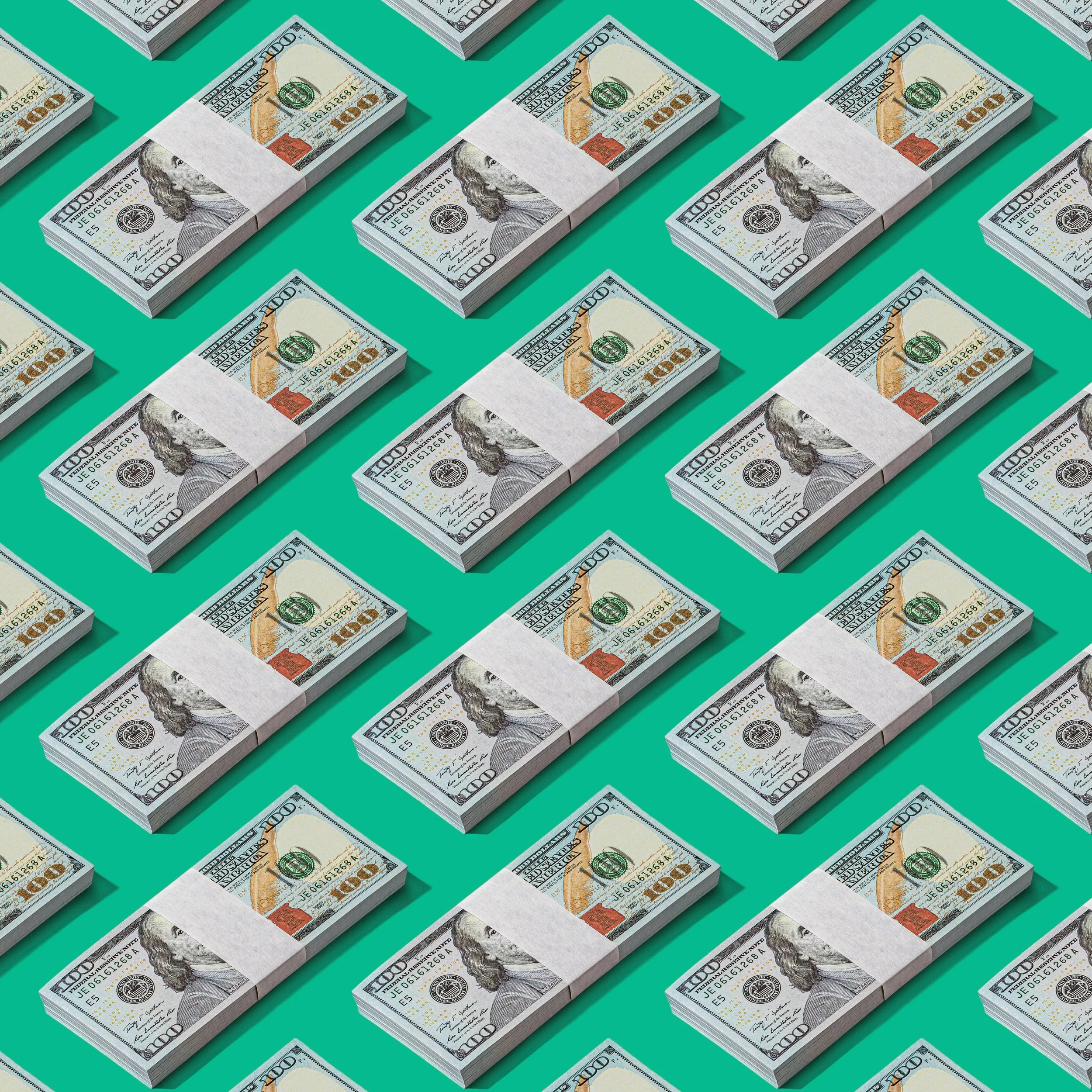
Photo by Shamblen Studios on Unsplash
There is a story writers have inherited for generations. It’s the belief that serious writers need to struggle and sacrifice. For some reason, the creative person is supposed to choose between meaning and money. We have romanticized the starving artist so thoroughly that many writers begin their creative lives expecting to struggle, as though financial instability is a part of the job description and wanting abundance makes their art less authentic. I consider this belief to be collective trauma for writers and creatives.
I Reject That Story
I reject the idea that suffering makes you a better writer and that being broke is evidence of artistic integrity. I have released the limiting story that I must choose between a creative life and a financially abundant one.
I love beautiful things and experiences such as travel that’s exploratory and luxurious, courses that develop my skills, clothing that’s high-quality and comfortable, food that’s healthy and nourishing, and a cozy, lovely home. I didn’t have to deny myself these things in order to become an author. Enjoying my life expands my creativity.
There’s nothing wrong with wanting the creativity, the book, and the money. Writers are not sacrificial lambs destined for financial instability. That’s a misunderstanding that comes from the collective belief that creative work is not “real work,” and therefore writers should be fine with going without resources while they pursue their art.
The Starving Artist Is Not a Creative Requirement
Being broke is stressful. Struggling to pay bills, working yourself into exhaustion, and living in survival mode doesn’t make you more worthy as a writer. Instead of making your writing more real, a lack of financial stability can shrink the mental and emotional space you need to create, and harm your health.
Creativity needs the freedom to experiment, to follow an idea that may not make commercial sense, to write a rough first draft, and to spend time discovering what your story is becoming. When finances dominate your creative decisions and you’re concerned about survival necessities, that pressure erodes your creative freedom.
Money is not a threat to creativity. It’s the structure that provides an environment that protects your ability to create freely.
This doesn’t mean you have to live extravagantly. It can mean having enough savings that you’re not stressed, enough income that you can take a writing class, enough flexibility that you can relax, or enough financial security that you can make creative decisions based on what you actually want to create rather than what you're afraid will happen if you don't.

Photo by Sam Carter on Unsplash
Your Job or Business Can Be Part of the Dream
I know this because I didn't begin my writing life by walking away from everything else. I didn’t sacrifice my lifestyle for my book.
I studied journalism because I wanted to write, but eventually I realized I didn't just want to report other people's stories; I wanted to create my own. At the same time, I understood that writing fiction wasn't necessarily going to pay my bills, so I followed another interest of mine: human behavior, learning and organizational development.
That led me into working in a a successful career in corporate learning and development, and eventually moving into the technology side, while taking continuing writing classes at the university.
That experience taught me something I wish more aspiring authors understood:
You don't have to quit your job to become a writer. You have to start writing.
Your job can be an intentional part of your creative strategy. Your paycheck can fund your classes, your books, your writing space, your savings, and give you the spaciousness to create. I enjoy a certain lifestyle, and that doesn’t make my writing life any less authentic. It means that I can write from freedom rather than scarcity.
When your writing is weighed down by the burden of rescuing you financially, it can become anxious and frightened, and then show up for you as “writer’s block.”
Write From Where You Are
Writers are good at struggling, and at procrastinating
We wait until we have more time, more money, more energy, fewer responsibilities, or more confidence. We think that once everything in life is aligned, we’ll finally become the writer we've imagined we could be.
But life doesn’t work that way.
Your life is happening now, which means your creative life has to happen inside the reality you’re actually living. The chapter you’re in is the chapter you have to work with.
Just write.
You don't need many hours every morning to prove that you're a writer. When you continually push away the desire to create, that energy doesn't disappear. It sits in the waiting room, and then you feel stuck or dissatisfied, which are really feelings of knowing there is something inside you that wants to be expressed.
Build Your Financial Freedom
You are allowed to earn money in ways that are connected to or separated from your writing. There is nothing wrong with having a career, business, or job that supports your life. In fact, this can expand your life and your writing. Many people who decided to quit their jobs to write have done a lot less writing than when they had jobs.
Your creativity doesn’t have to suffer under the weight of economic expectations. When your life is supported by something steady and stable, you create a sanctuary for your creativity. You are more likely to get into the creative flow when you give yourself this freedom to experiment and play with your art.
Financial literacy belongs in the creative conversation. Authors spend years learning how to write, but many never learn how to build the foundation that can give them the support and freedom they need to write. You can do something else for money and still be an authentic author.
You can also use your resources to expand your creativity. You can take a writing class, hire an editor, attend conferences, and create a writing space that makes you want to sit down and work.
There’s a difference between overspending mindlessly and investing in your development. Practicing financial discipline is not the same as denying yourself joy.
You don't have to put life on hold until the manuscript is finished. Stress and suffering are not necessary components of being a writer. You are allowed to enjoy your life. Doesn’t it feel more expansive to write from a feeling of bliss versus lack?

Photo by Ishan @seefromthesky on Unsplash
A New Creative Archetype
Historically, many authors endured hardship, and we began mistaking their suffering as being a rite of passage for a writer. Sylvia Plath struggled with depression, Oscar Wilde was imprisoned, and Edgar Allen Poe lived in poverty and struggled with alcoholism. Their suffering led us to believe that pain was the source of a writer’s authenticity.
However, each generation can learn from the ones before it, and we are now living in a more awakened and conscious era. We can acknowledge the brilliance of these past authors but don’t need to take on the belief that we need that level of suffering to create. We don’t have to live a life of deprivation and scarcity to be writers.
Let’s replace the starving artist archetype with the abundant artist.
This writer cares about and understands money.
We need more good-hearted, creative, thoughtful people with resources. Money doesn’t cause ethical people to turn greedy and evil. Having more financial freedom gives creative people more power and ability to influence society in meaningful ways. They can take risks, fund projects, contribute to communities, hold positions of power, and support other creatives. It serves humanity when money is in the hands of kind-hearted, creative people.
The Money, Book, and Your Life Are Connected
You’re living a holistic life, and you don’t have to suffer or sacrifice for your art. I don't believe your writing life exists separately from your actual life. Your career is a chapter. Your creative journey is a chapter. Your relationships are chapters. Your financial growth unfolds alongside the other chapters. You don't have to sacrifice or destroy one chapter to begin another. They’re all interconnected in the story of your life.
So if there is a book inside you, write it. If you're working a job, let it support your writing rather than make you feel bad. If you need to develop your skills, invest in yourself. If you need to learn about money, learn that too.
Your creativity is not a burden and your calling does not require suffering. Becoming a starving artist doesn’t make you a more legitimate writer. You are allowed to create from abundance and stability, and live a life that nourishes your writing.
You are part of a new lineage of writers, who respect the wisdom and hardships of those who came before, without inheriting their suffering. You are writing during a chapter where your creativity is allowed to flourish and you get to have financial stability. If you choose, you can claim this new, evolved story of being a writer. Your life and your art rise together.
